

Quick answer
The mauritius whale watching season runs from late June through late October, with peak sightings concentrated in July, August, and early September when humpback whales migrate north from Antarctic feeding grounds. Tours operate daily from 06:00 to 12:00 during these months, departing from Black River and Tamarin Bay on the west coast. Sighting probability drops sharply after mid-October as the migration corridor shifts east.
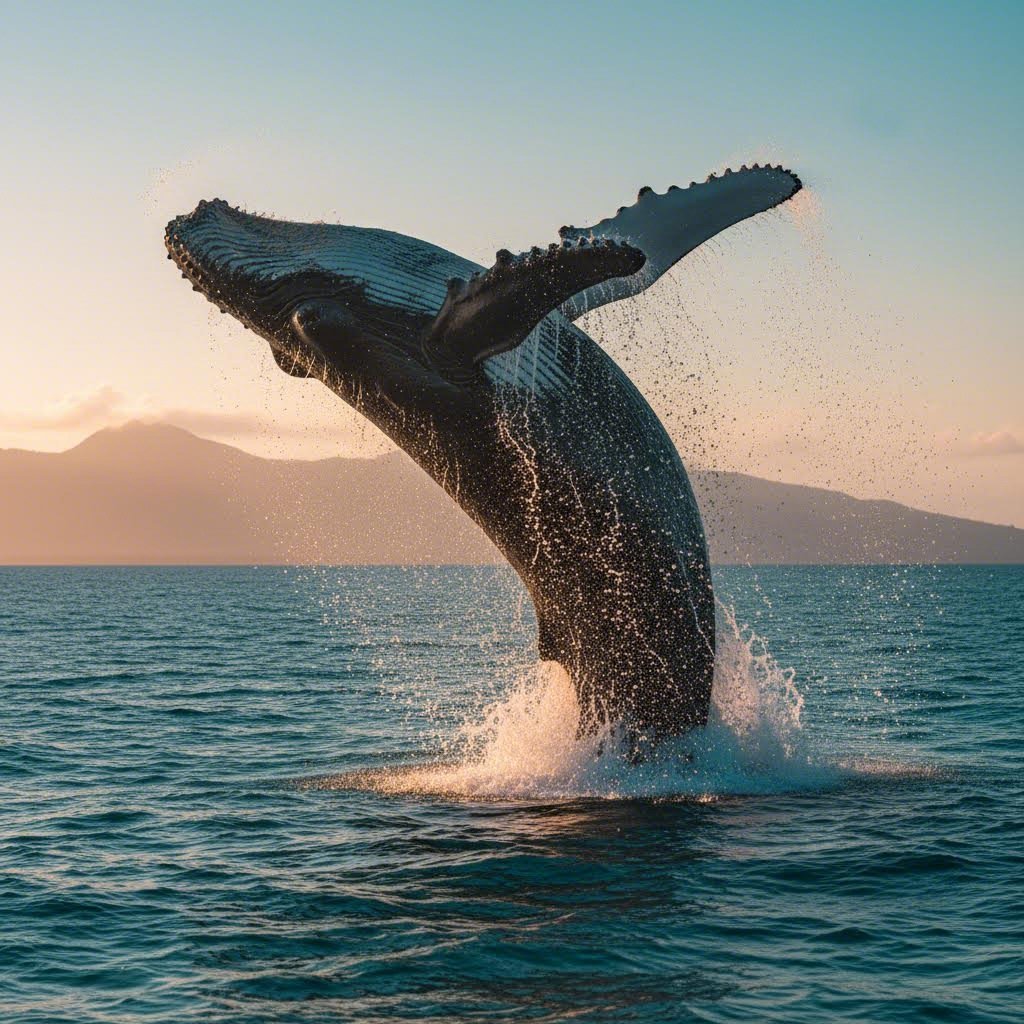
Every winter the Southern Hemisphere's humpback whale population migrates north from sub-Antarctic waters toward the warmer breeding grounds off Madagascar and the Mascarene Basin, and a significant corridor of that migration sweeps past the west coast of Mauritius between July and October. The mauritius whale watching season is not a year-round phenomenon but a defined biological event governed by water temperature, krill depletion in the south, and the whales' reproductive calendar. Outside this window the Indian Ocean waters surrounding the island hold few cetaceans larger than spinner dolphins. July marks the opening of reliable sighting opportunities as the first pods enter Mauritian waters, but the true peak arrives in August when whale density along the Tamarin and Black River coastline reaches its annual high. Observers report multiple pods per morning departure during this period, with breaching, tail slaps, and surface activity frequent enough that tour operators schedule back-to-back trips. Early September extends the favorable window, though sighting rates begin to taper as the migration's leading edge moves beyond the island's shelf. By mid-October the season effectively closes; stragglers may appear but cannot be predicted, and most commercial operators suspend dedicated whale tours until the following winter. The seasonal concentration has practical implications for visitors. Tours depart early—between 06:00 and 07:30—because morning ocean conditions along the west coast offer the calmest surface and best visibility, and whales are more likely to be active near the surface after dawn. The departure point at Black River and Tamarin Bay lies on the leeward side of the island, sheltered from prevailing southeast trade winds, which keeps the water navigable even during the migration months when swells can be significant on the windward coast. No entrance fee applies to the embarkation zones; whale watching in Mauritius is entirely tour-based, and costs are tied to the boat operator rather than a public gate. Understanding the season's shape allows you to book within the eight-week core rather than hoping for luck at the margins. The humpback migration is predictable in aggregate but variable day to day, and positioning your visit during peak weeks—late July through early September—converts a speculative outing into a high-probability encounter with one of the Indian Ocean's most deliberate seasonal rhythms.
“The migration is predictable in aggregate but variable day to day, and positioning your visit during peak weeks converts a speculative outing into a high-probability encounter.”
Daily Schedule for Mauritius Whale Watching Tours
Whale watching tours in Mauritius operate on a consistent daily schedule to ensure optimal conditions for sightings. These morning departures are maintained throughout the season to provide the best ocean stability.
| Monday | 06:00–12:00 | |
|---|---|---|
| Tuesday | 06:00–12:00 | |
| Wednesday | 06:00–12:00 | |
| Thursday | 06:00–12:00 | |
| Friday | 06:00–12:00 | |
| Saturday | 06:00–12:00 | |
| Sunday | 06:00–12:00 |
Fees and Costs for Mauritius Whale Watching
There is no public gate fee for whale watching in Mauritius as the activity takes place in the open ocean. All costs are exclusively associated with independent tour operator services.
There is no admission fee to access the whale watching grounds, and total costs depend entirely on the tour package selected.
How to Reach the Mauritius Whale Watching Season Launch Points
The primary launch points for whale watching excursions are located at Black River and Tamarin Bay on the west coast of Mauritius. Most visitors reach these departure hubs via private taxi or rental car using the B9 coastal road.
Drive via B9 Coastal Road to Black River or Tamarin Bay
Direct transfer to Black River or Tamarin Bay
Bus 139 or 145 to Black River/Tamarin stop
Essential Preparation for the Mauritius Whale Watching Season
Prepare these essentials before your whale watching departure from Black River or Tamarin Bay.
-
Book your tour in advance — Operators fill quickly during peak July–October season and early morning slots are limited.
-
Bring photo ID — Boat manifests require identification for all passengers before departure.
-
Pack reef-safe sunscreen and a hat — Six hours of direct sun exposure on open water demands protection without harming marine life.
-
Take motion sickness medication early — Swells in the Indian Ocean can be significant; take tablets 30–60 minutes before boarding.
-
Wear non-slip footwear — Wet boat decks become slippery during whale approaches and water spray.
-
Carry a waterproof bag — Cameras, phones, and valuables need protection from ocean spray and sudden movements.
-
Arrive at 06:00–07:30 — Early departures offer calmer seas and higher whale activity before midday heat.
Check availability
Frequently asked questions about mauritius whale watching season
Everything you need to know about mauritius whale watching season